

















Japanese Indigo Textile Making: A Timeless Craft Reimagined for Modern Tech
Japanese indigo textiles represent one of the most enduring and sophisticated craft traditions in the world. Known for their deep blue hues, intricate patterns, and remarkable durability, these textiles have transcended centuries—evolving from everyday garments worn by farmers and artisans to revered cultural artifacts admired globally.
Today, this ancient craft is experiencing a modern revival. At ONOTONE, we draw inspiration from authentic Japanese indigo patterns and reinterpret them into premium iPhone and Galaxy phone cases, bringing history, craftsmanship, and timeless design into everyday technology.
This article explores the origins of Japanese indigo dyeing, the techniques behind its iconic patterns, and how these designs translate seamlessly into modern phone accessories.
The Origins of Japanese Indigo: More Than Just Blue
What Is Japanese Indigo (Aizome)?
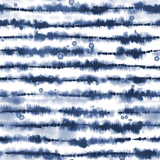
Japanese indigo dyeing, known as 藍染 (Aizome), dates back over 1,000 years. Unlike synthetic dyes, traditional Japanese indigo comes from the Persicaria tinctoria plant. Through a fermentation process, artisans create a natural dye that produces rich, layered shades of blue—ranging from pale sky tones to deep midnight indigo.
Indigo was once referred to as “Japan Blue”, a term popularized during the Meiji era when foreign visitors were captivated by the nation’s ubiquitous blue textiles.
Why Indigo Became Essential in Japan
Indigo dye wasn’t just beautiful—it was practical:
- Antibacterial properties, ideal for workwear
- Insect-repellent qualities, crucial for farmers
- Colorfast and durable, improving with age
- Symbol of modesty and resilience
As a result, indigo-dyed fabrics became the foundation of daily clothing across Japan, from kimono linings to firefighter uniforms.

The Craft of Indigo Dyeing: A Labor of Patience
The Fermentation Process
Unlike modern dyes, indigo requires fermentation, not direct application. Artisans cultivate indigo leaves, dry them into sukumo, then ferment them with ash lye, sake, and lime for months. This living dye vat must be carefully maintained—temperature, oxygen, and timing all affect the final color.
Each dip deepens the blue. True indigo textiles are often dipped dozens of times, creating depth that cannot be replicated synthetically.
Why Indigo Ages Beautifully
One of indigo’s defining traits is how it fades gracefully. Rather than deteriorating, indigo softens over time, developing unique character—similar to raw denim. This philosophy of beauty through use aligns deeply with Japanese aesthetics like wabi-sabi.

Iconic Japanese Indigo Patterns (And Their Meanings)
Japanese indigo textiles are rarely plain. They are adorned with patterns that carry symbolism, protection, and harmony.
Seigaiha (青海波) – Waves of Peace
One of the most recognizable Japanese patterns, Seigaiha features repeating ocean waves. It symbolizes:
- Peace and tranquility
- Good fortune
- Enduring resilience
This rhythmic geometry translates beautifully into modern phone case designs, making it ideal for both minimalist and statement styles.
Asanoha (麻の葉) – Hemp Leaf Geometry
The Asanoha pattern is composed of interlocking hexagonal shapes resembling hemp leaves. Traditionally used for children’s garments, it represents:
- Growth and strength
- Protection
- Vitality
- Its crisp symmetry and repetition make it perfect for iPhone and Galaxy cases that feel both modern and rooted in tradition.
Shippō (七宝) – Seven Treasures
Shippō patterns consist of overlapping circles symbolizing harmony and infinite connections. In Buddhist tradition, the “seven treasures” represent spiritual wealth.
This pattern aligns seamlessly with ONOTONE’s philosophy—blending art, balance, and everyday function.
Kikkō (亀甲) – Tortoise Shell
Inspired by the tortoise shell, Kikkō symbolizes longevity and stability. Its hexagonal structure lends itself well to contemporary accessories with a structured, architectural feel.
From Textile to Technology: Japanese Indigo in Modern Design
Why Indigo Patterns Work So Well on Phone Cases
Japanese indigo patterns are inherently modular, repeatable, and balanced, making them ideal for product surfaces like phone cases. When applied to modern materials:
- The patterns maintain clarity at different scales
- Indigo blues pair effortlessly with tech hardware
- The designs feel timeless, not trend-driven
At ONOTONE, each Japanese-inspired phone case is carefully designed to respect traditional motifs while optimizing them for modern proportions.

ONOTONE’s Japanese Indigo Phone Case Collection
Authentic Inspiration, Modern Execution
ONOTONE’s Japanese indigo designs are inspired by traditional textile archives, not generic “blue aesthetics.” Each pattern is digitally refined to preserve the geometry, rhythm, and cultural significance of the original craft.
Available for:
- iPhone cases (latest models supported)
- Samsung Galaxy cases
- Select minimalist and protective formats
Designed for Everyday Use
While inspired by heritage, ONOTONE cases are built for modern life:
- Slim, lightweight profiles
- Shock-absorbing protection
- Scratch-resistant finishes
- Precision fit for buttons and ports
This balance mirrors Japanese indigo itself—functional, enduring, and beautiful.
If you’re searching for:
- Japanese pattern iPhone cases
- Indigo phone cases inspired by Japanese textiles
- Minimalist Galaxy cases with Japanese design
- Seigaiha or Asanoha phone cases
ONOTONE offers a curated selection that bridges authentic cultural inspiration with everyday usability.

Japanese Indigo Meets Modern Minimalism
A Natural Fit for Contemporary Aesthetics
Japanese indigo patterns complement modern minimalism exceptionally well. The restrained color palette and geometric repetition provide visual interest without excess—perfect for users who value:
- Calm, intentional design
- Cultural depth
- Objects that age gracefully
These cases pair effortlessly with neutral wardrobes, creative workspaces, and modern interiors.
Sustainability & Slow Design
Indigo’s Environmental Legacy
Traditional indigo dyeing is inherently sustainable:
- Plant-based dye
- Low environmental toxicity
- Long-lasting materials
While ONOTONE uses modern production techniques for durability and accessibility, the design philosophy remains rooted in slow design—creating products meant to last, not be replaced seasonally.
Why Cultural Design Matters in Everyday Objects
In a world saturated with disposable trends, culturally rooted design offers something rare: meaning. Japanese indigo textiles tell stories of labor, patience, and resilience. When these stories are woven into modern products—like phone cases—they transform everyday objects into quiet expressions of identity.
Your phone is one of the most-used items you own. Why not let it reflect craftsmanship that has stood the test of centuries?
Final Thoughts: Timeless Blue for a Digital Age
Japanese indigo textile making is more than a dyeing technique—it’s a philosophy of endurance, humility, and beauty through use. By translating these principles into Japanese-inspired iPhone and Galaxy phone cases, ONOTONE honors tradition while embracing modern life.
From wave patterns that symbolize peace to geometric motifs representing growth and harmony, these designs prove that ancient craft can thrive in the digital age.
Japan Blue isn’t just history—it’s timeless.


